%2Ffit-in%2F250x250%2Fguide_websites%2F1384%2Fimages%2Fbrad_d.png&w=1920&q=100)
Black Drum and Eel Fishing in Slidell LA
Fishing for Black Drum and Eel Around Slidell - What to Expect
%2F%2Fusers%2F36b5e872-fd8b-477b-9990-521f757d4abc%2Fimages%2Fslidell-black-drum-eel-fishing-2391.jpg&w=1920&q=75)
Fishing Charter by Captain Brad D’Alfonso in May

Meet your Captain Brad D’Alfonso
- Experience Louisiana's Finest Inshore Fishing


Summary
Join Captain Brad D'Alfonso of Speck Dat Charters on a Thursday in May for an exciting fishing charter around Slidell, Louisiana. This fishing trip puts you on the water to target Black Drum and American Eel, showcasing what makes Louisiana's coastal fishery so rewarding for anglers of all skill levels.
Fishing Charter with Captain Brad D'Alfonso - Rates & Booking
Captain Brad D'Alfonso of Speck Dat Charters welcomes you on Thursday, May for an unforgettable fishing experience in Slidell. This fishing charter is designed for those ready to get on the water and test their skills against some of Louisiana's most interesting species. Whether you're a seasoned angler or picking up a rod for the first time, Brad knows these waters and knows how to put fish in the boat.
To book your charter and secure your spot, reach out directly to Speck Dat Charters. Brad can walk you through what to bring, what to expect, and how to prepare for a great day on the water. This is a chance to fish Louisiana's coastal ecosystem with a guide who genuinely loves what he does.
Highlights of Your Fishing Charter
The real appeal of fishing these waters with Brad is the variety and action you get to experience. You'll be targeting Black Drum, a hard-fighting species that puts up a solid battle, and American Eel, which offer their own unique challenge. Both species thrive in Louisiana's brackish and saltwater environments, making Slidell's location perfect for this kind of mixed-bag fishing.
What makes this outing special is the chance to spend time with someone who understands the local patterns and seasonal movements. Brad reads the water, adjusts his approach based on conditions, and genuinely wants you to have a memorable day. The camaraderie that comes from landing a solid fish and sharing the experience with people around you is part of what draws folks back to fishing.
Local Species Insights: Black Drum and American Eel
Black Drum are built for power. These stocky fish have strong jaws and pharyngeal teeth designed for crushing hard shells and crustaceans. They're bottom feeders that hang around structure, oyster beds, and shallow flats throughout Louisiana's coastal zone. When you hook one, you'll feel why they're so respected among local anglers - they don't give up without a fight. They're also known for making loud croaking sounds, which anglers and guides use to locate them.
American Eel are a different animal altogether. These migratory fish are mysterious and efficient hunters that prefer low-light conditions and shelter. They're bottom dwellers that hunt along structure and in areas with good cover. Landing an eel is a fun surprise catch that adds another dimension to your day on the water. They're strong, slippery, and they remind you that Louisiana's waters hold all kinds of interesting species.
Both of these fish thrive in the brackish waters around Slidell, where freshwater from the Mississippi River mixes with Gulf saltwater. This unique environment creates rich habitat that supports diverse fish populations. The structure, vegetation, and overall ecosystem make this area productive year-round, though patterns definitely shift with the seasons. Brad's knowledge of these local conditions is what gives you the edge when it comes to consistent success.
The waters around Slidell offer shallow flats, channels, and areas with good structure - exactly the kind of places where Black Drum and American Eel like to hunt. You'll spend your day reading the water, casting to likely spots, and staying alert for bites. Even if you're new to fishing, the experience of being on the water, learning how to work the habitat, and feeling that first bite makes for a great day.
Fishing in Louisiana: Black Drum and American Eel
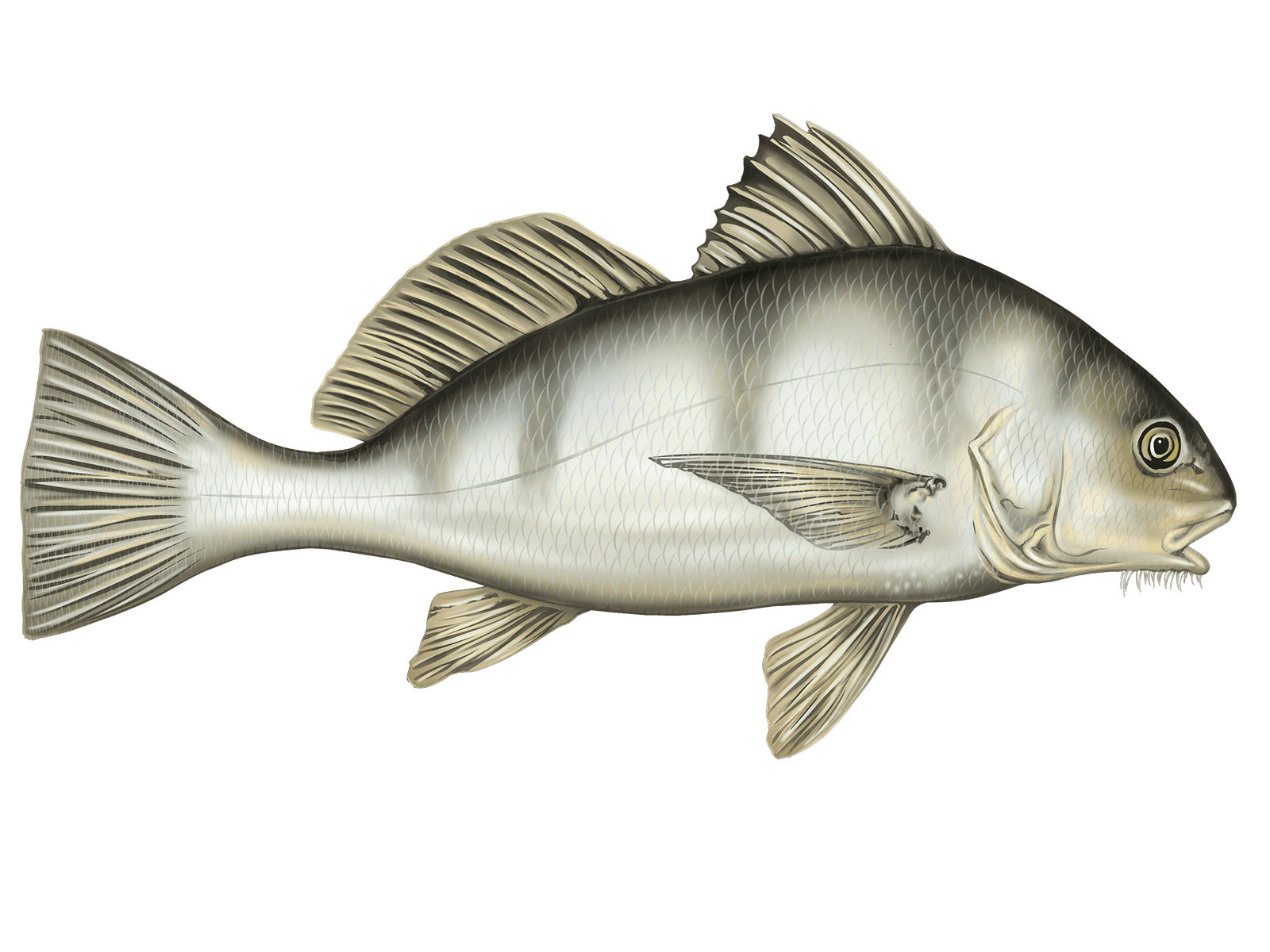
The Black Drum (Pogonias cromis) stands as the giant of the Sciaenidae family, earning its reputation through both impressive size and distinctive acoustic abilities. These remarkable fish get their name from the drumming or croaking sounds they produce, which can reach frequencies of 100 to 500 Hz during spawning season. With their powerful jaws designed for crushing shellfish and oysters, these dark-colored bruisers represent one of the most sought-after inshore game fish along the Atlantic and Gulf coasts, offering anglers both challenging fights and rewarding table fare when properly sized.
Black Drum Overview
What makes these fish truly special is their incredible adaptability and longevity. They're bottom-dwellers that can live up to 50 years, growing rapidly in their first two years and reaching sexual maturity quickly. Their robust build and crushing power make them formidable opponents for anglers, while their preference for brackish waters and estuaries puts them within reach of shore-based fishermen. The drumming sounds they make aren't just for show - they're sophisticated mating calls that help these fish locate each other during spawning aggregations, creating some of the most exciting fishing opportunities of the year.
Black Drum Habitat and Distribution
These adaptable fish have claimed territory from Nova Scotia all the way down to the Gulf of Mexico, thriving in a variety of environments. Adults prefer the saltier waters near ocean inlets and around oyster beds, where their favorite foods are abundant. Juveniles, on the other hand, seek out the less saline areas of estuaries with sandy bottoms, providing natural nursery areas. What's remarkable about these fish is their tolerance for different conditions - you might find them in extremely shallow water one day and at depths of 100 feet the next. They're particularly drawn to muddy flats, pier pilings, and creek mouths where tidal action concentrates their prey.
Black Drum Size and Weight
Size-wise, these fish offer something for everyone, typically ranging from 5 to 30 pounds, though true giants can exceed 90 pounds. The smaller specimens in the 15-pound range are considered prime table fare, while the larger fish are better suited for catch-and-release due to their tougher meat texture and stronger flavor. It's not uncommon to encounter fish in the 20 to 40-pound range during peak season, and these middle-weight bruisers provide excellent sport while still offering decent eating quality for those who know how to prepare them properly.
Black Drum Diet and Behavior
As dedicated bottom-feeders, these fish have developed powerful crushing jaws perfectly suited for their shellfish-heavy diet. Crabs, mussels, clams, and oysters make up the bulk of their meals, though they'll also take marine worms and small fish when the opportunity arises. Their feeding behavior is methodical and deliberate - they use their sensitive barbels to locate prey buried in sand and mud, then employ their impressive jaw strength to crush through shells. During feeding frenzies, particularly around oyster beds, you can sometimes hear the actual crunching sounds they make while feeding, which often gives away their location to observant anglers.
Black Drum Spawning and Seasonal Activity
Spawning season brings out the most exciting behavior in these fish, as they gather in large schools and become much more predictable in their movements. In southern regions like Texas, this typically occurs from February through March, while northern areas see peak activity from April to June. During this time, females can lay eggs every three days, and the males produce their characteristic drumming sounds almost continuously. These spawning aggregations create prime fishing opportunities, as the normally scattered fish concentrate in specific areas and become more aggressive in their feeding. The sound of dozens of drums calling simultaneously creates an underwater symphony that experienced anglers learn to recognize and locate.
Black Drum Techniques for Observation and Capture
Success with these fish comes down to three key factors: location, bait selection, and patience. Live or fresh bait works best - soft-shell crabs, peeler crabs, and fresh clam are top choices, though many anglers swear by blue crab because it doesn't attract as many bait-stealing catfish. Fish your baits right on the bottom using enough weight to hold position in current, and be prepared for a slow, deliberate bite that can easily be mistaken for a snag. For artificial presentations, slow-moving bucktail jigs work well, especially when tipped with natural bait. Fly fishing enthusiasts should opt for 9-weight rods and bottom-bouncing patterns like Clouser Minnows or crab imitations. Around popular fishing areas, look for shallow flats adjacent to deeper water, especially during moving tides when these fish become more active.
Black Drum Culinary and Utilization Notes
When it comes to table fare, size matters significantly with these fish. Specimens under 15 pounds offer mild, flaky white meat that's excellent when prepared fresh, while larger fish develop a coarser texture and stronger flavor that some compare to chicken. The key to good eating is proper handling and quick processing - these fish benefit from bleeding immediately after capture and keeping on ice. Smaller drums work wonderfully in fish tacos, blackened preparations, or simple pan-frying, while larger fish are better suited for stews or heavily seasoned dishes that can mask their stronger flavor. Many experienced anglers practice slot-limit fishing, keeping only mid-sized fish for the table while releasing both the smaller juveniles and the large breeding stock.
Black Drum Frequently Asked Questions
Q: What is the best bait for Black Drum fishing?
A: Live or fresh crab consistently outperforms other baits, particularly soft-shell crabs, peelers, or blue crab halves. Fresh clam and cut mullet also work well, but crab tends to attract fewer bait-stealing species and stays on the hook better in current.
Q: Where can I find Black Drum in coastal areas?
A: Look for oyster beds, shallow muddy flats, pier pilings, and creek mouths in brackish water areas. They prefer areas where fresh and salt water mix, especially spots with good tidal flow that concentrates their food sources.
Q: Are Black Drum good to eat?
A: Fish under 15 pounds are excellent table fare with mild, flaky white meat. Larger specimens become progressively tougher and stronger-flavored, making the smaller to medium-sized fish the best choice for eating.
Q: When is the best time to catch Black Drum?
A: Spring spawning season offers the most consistent action when fish school up in predictable areas. Early morning and late afternoon during moving tides typically produce the best results, though they can be caught year-round in most areas.
Q: What tackle should I use for Black Drum fishing?
A: Medium to heavy spinning or conventional tackle works best, with 20-30 pound test line and strong circle hooks. Use enough sinker weight to keep your bait on the bottom, and be prepared for long, powerful runs when you hook a large fish.
Q: How can I tell if I'm in good Black Drum water?
A: Look for areas with oyster beds, muddy bottoms, and good tidal flow in brackish water. During spawning season, you might actually hear the drumming sounds they make, which is a dead giveaway that fish are present and active.
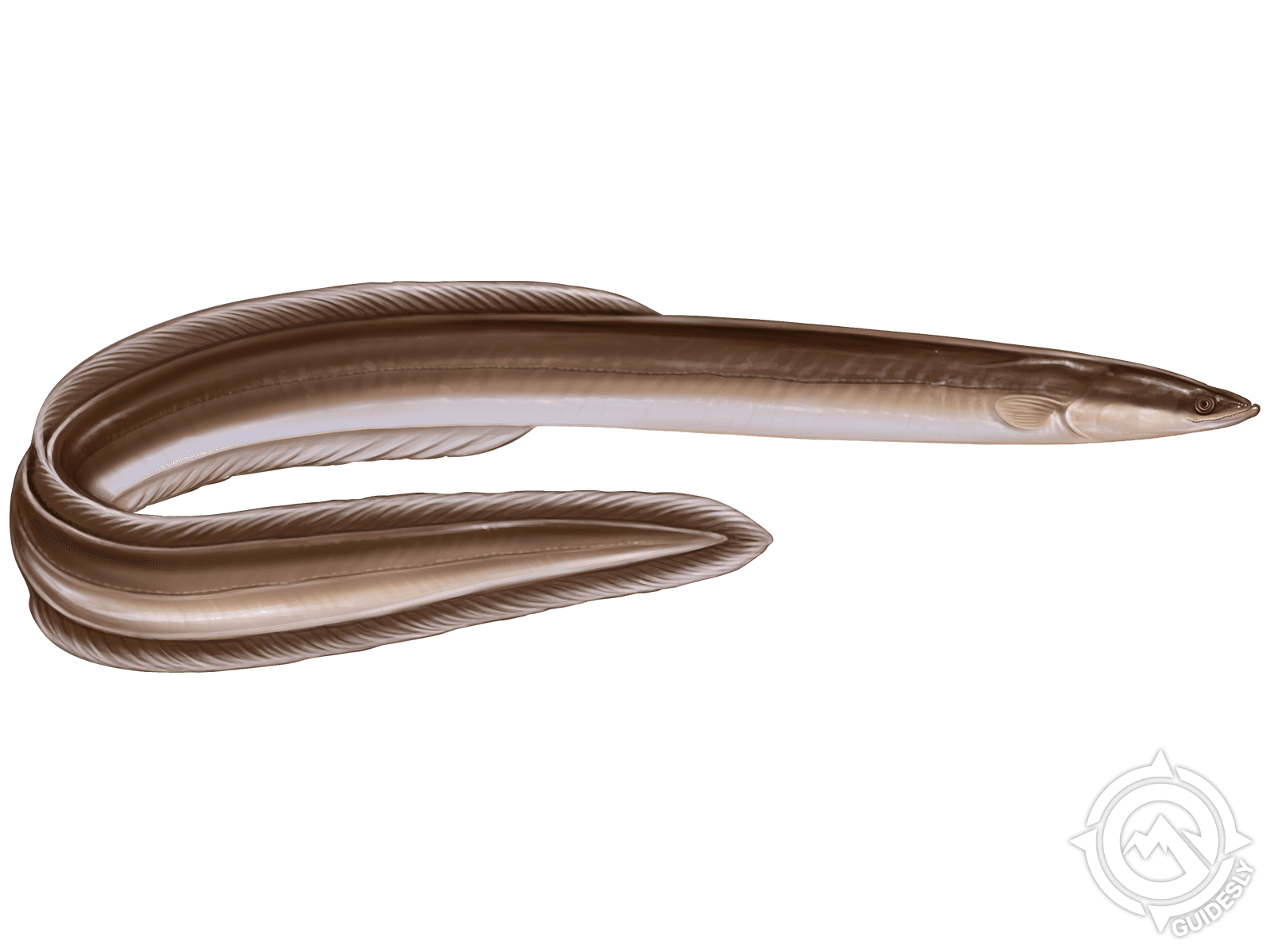
American Eel Overview
The American Eel (Anguilla rostrata), belonging to the family Anguillidae and order Anguilliformes, is one of North America's most fascinating and mysterious freshwater fish. These remarkable snake-like creatures are instantly recognizable by their slender, muscular bodies coated in a thick layer of protective mucus that gives them their characteristic slimy appearance. Despite looking completely naked to the naked eye, they're actually covered in minute scales that provide additional defense. What makes the American Eel truly special is its incredible life cycle: these eels spend years in freshwater rivers and lakes before mysteriously migrating thousands of miles across the Atlantic Ocean to spawn in the Sargasso Sea. For anglers and nature enthusiasts exploring inland waterways from the Great Lakes to local streams, encountering an American Eel is always an exciting moment that reminds us just how wild and interconnected our ecosystems truly are.
American Eel Habitat and Distribution
American Eels are native to freshwater systems across the eastern Atlantic coastline of North America, ranging from the Great Lakes down through the Mississippi River drainage system and into countless tributary streams and lakes. Their natural habitat includes muddy-bottomed rivers, shallow lakes, and coastal estuaries where they spend the majority of their lives as bottom dwellers. These secretive fish prefer to burrow themselves into mud, silt, and vegetation in shallow depths, creating hidden lairs from which they can ambush unsuspecting prey. Interestingly, coloration varies significantly based on water type and chemistry: clearer waters typically host lighter-colored eels, while acidic streams tend to contain darker-tinged individuals. While recordings show American Eels have expanded their range westward to places like Lake Mead and Arizona border rivers, many populations remain underestimated simply because these bottom-dwelling creatures are so difficult to observe in their natural habitat.
American Eel Size and Weight
The American Eel typically reaches lengths between 30 to 60 inches, with most individuals in the 1 to 4 feet range, making them noticeably smaller than some of their eel cousins found in other parts of the world. Weight generally falls between 8 to 17 pounds for mature specimens, though larger females can occasionally exceed these averages. An interesting sexual dimorphism exists within the species: females grow significantly larger than males and display lighter coloration, smaller eyes, and proportionally higher fins. Their elongated, conical head tapers to a terminal mouth with small, well-developed eyes and relatively non-elongated jaws lined with small, pectinate or setiform teeth arranged in multiple series. This streamlined body design perfectly suits their role as ambush predators lurking in bottom substrates and vegetation.
American Eel Diet and Behavior
American Eels are opportunistic carnivorous feeders that consume a wide variety of prey including small fish, insect larvae, crustaceans, and organic detritus. These nocturnal hunters are most active during nighttime hours when they emerge from their muddy burrows to search for food along the river or lake bottom. They employ a hunting strategy based on stealth and surprise, positioning themselves beneath shelters and vegetation to ambush passing prey. During daylight hours, they retreat to their constructed homes in mud and plant matter, where they remain relatively inactive. A fascinating behavioral adaptation occurs when water temperatures drop below 40 degrees Fahrenheit: American Eels enter a torpor state similar to hibernation, reducing their metabolic activity and food intake to near-zero levels. This survival mechanism allows them to endure harsh winter conditions in northern climates while maintaining minimal energy expenditure.
American Eel Spawning and Seasonal Activity
The American Eel possesses one of nature's most extraordinary life cycles, classified as facultative catadromous due to their migration between freshwater and saltwater environments. In their native freshwater habitats, they spend 5 to 20 years growing and developing before an inexplicable biological trigger initiates their spawning migration. During this dramatic transformation, eels undergo physiological changes including darkening of their coloration, changes in eye size, and modifications to their digestive system. They then migrate downstream and out into the Atlantic Ocean, traveling approximately 5,000 miles to the Sargasso Sea where they spawn in deep oceanic waters. After spawning, the adults die, but their larvae (called leptocephali) drift back across the Atlantic on ocean currents, eventually transforming into glass eels and elvers that enter coastal rivers and begin their upstream journey. Females can produce up to 4 million eggs during a single spawning event, ensuring population continuation despite the perilous journey. This remarkable migration typically occurs during fall and early winter months when water temperatures begin to cool.
American Eel Techniques for Observation and Capture
Night Fishing with Live Bait: The most effective method for catching American Eels involves fishing at night during their active feeding periods. Use live baitfish such as shiners, minnows, or small shad presented near the bottom in areas with muddy substrate and vegetation. Fish along undercut banks, around fallen logs, and in deeper holes where eels establish their territories. Deploy rod and reel setups with sensitive bite detection or use traditional hand lines. Focus your efforts during the warmer months from May through September when eels are most active, and particularly during the hour after sunset and before dawn.
Trap and Pot Fishing: Traditional eel pots and traps remain highly effective capture methods, particularly in areas where they're legal. These specialized traps funnel eels into a confined chamber from which escape is difficult. Bait them with fresh fish pieces, chicken liver, or eel pheromone attractants. Set traps along the bottom in channels, around structure, and in areas with current. This passive method allows you to fish multiple locations simultaneously and works effectively during both day and night hours.
Localized Tip—Around the Great Lakes Region: Anglers fishing tributaries and inlet streams throughout the Great Lakes have experienced excellent success targeting American Eels during their seasonal migrations. Focus on areas where streams enter the main lake bodies during fall months when temperature drops trigger migration behavior. Fish the slower-moving sections and deeper pools where eels congregate before making their ocean journey.
American Eel Culinary and Utilization Notes
American Eels possess good food quality and have been consumed for centuries across North America and Europe. The flesh is rich, fatty, and flavorful, with a unique texture that some compare to freshwater catfish. Eels are excellent sources of omega-3 fatty acids, protein, and various essential vitamins and minerals including vitamin A and selenium. Traditional preparation methods include smoking, which is particularly popular in Northern European and Asian cuisines, as well as braising, frying, and stewing. The culinary appeal of American Eels has made them targets for both recreational and commercial fishing operations, though sustainability concerns have prompted stricter regulations in some regions. When properly cleaned and prepared, these fish provide a delicious and nutritious meal that connects diners to centuries of culinary tradition. Many consider smoked eel to be a delicacy, and the meat's rich fat content makes it particularly suitable for preservation methods like curing and smoking.
American Eel Frequently Asked Questions
Q: What is the best bait for catching American Eels?
A: Live baitfish such as shiners, minnows, and small shad are most effective. Fresh chicken liver, fish pieces, and specialized eel pheromone baits also work well. The key is presenting bait near the bottom where eels hunt during nighttime hours.
Q: Where can I find American Eels in the Great Lakes region?
A: Look for them in muddy-bottomed lakes, slower-moving stream sections, deeper pools, and around structure like fallen logs and undercut banks. Tributary streams entering main lake bodies are particularly productive during fall migration seasons.
Q: Are American Eels good to eat?
A: Absolutely. American Eels are considered a delicacy in many cultures and offer good food quality with rich, flavorful flesh. They're excellent sources of omega-3 fatty acids and protein. Smoking, braising, and frying are popular preparation methods, with smoked eel particularly prized as a delicacy.
Q: When is the best time to catch American Eels?
A: Fish for them primarily from May through September during warmer months when they're most active. Night fishing is most productive, particularly during the hour after sunset and before dawn. Fall months are excellent for targeting eels during their spawning migration season.
Q: Why do American Eels migrate to the ocean if they live in freshwater?
A: American Eels are facultative catadromous fish, meaning they spend most of their lives in freshwater but migrate to the Sargasso Sea in the Atlantic Ocean to spawn. After 5-20 years of growth in freshwater systems, a biological trigger causes them to journey 5,000 miles across the ocean where they reproduce and die. Their larvae then drift back across the Atlantic to begin the cycle anew.
Q: What do I do if I catch an American Eel?
A: Handle them carefully as they're quite slippery. Wet your hands first to improve grip and reduce injury to their protective mucus layer. If you plan to keep the eel, use a sharp blow to the head for humane dispatch. If releasing, gently return it to the water. Many anglers use specialized handling gloves designed specifically for eel capture.