%2Ffit-in%2F250x250%2Fguide_websites%2F1384%2Fimages%2Fbrad_d.png&w=1920&q=100)
/users/36b5e872-fd8b-477b-9990-521f757d4abc/ratecard/20250218_150652-mj82qg2l.jpg)
%2F300x300%2Fusers%2F36b5e872-fd8b-477b-9990-521f757d4abc%2Fratecard%2F20250218_150652-mj82qg2l.jpg&w=256&q=75)
%2F300x300%2Fusers%2F36b5e872-fd8b-477b-9990-521f757d4abc%2Fimages%2Ffishing-fun-new-orleans-2673.jpg&w=256&q=75)
%2F300x300%2Fusers%2F36b5e872-fd8b-477b-9990-521f757d4abc%2Fimages%2Fsheepshead-fishing-new-orleans-2824.jpg&w=256&q=75)
%2F300x300%2Fusers%2F36b5e872-fd8b-477b-9990-521f757d4abc%2Fimages%2Fthree-fish-caught-la-2755.jpg&w=256&q=75)
%2F300x300%2Fusers%2F36b5e872-fd8b-477b-9990-521f757d4abc%2Fimages%2Fblack-drum-fish-la-fishing-2641.jpg&w=256&q=75)
%2F300x300%2Fusers%2F36b5e872-fd8b-477b-9990-521f757d4abc%2Fimages%2Fsheepshead-catch-la-2678.jpg&w=256&q=75)
%2F300x300%2Fusers%2F36b5e872-fd8b-477b-9990-521f757d4abc%2Fimages%2Ffishing-fun-new-orleans-2618.jpg&w=256&q=75)
%2F300x300%2Fusers%2F36b5e872-fd8b-477b-9990-521f757d4abc%2Fimages%2Ffishing-fun-new-orleans-2627.jpg&w=256&q=75)
%2F300x300%2Fusers%2F36b5e872-fd8b-477b-9990-521f757d4abc%2Fimages%2Ffishing-la-2577.jpg&w=256&q=75)
%2F300x300%2Fusers%2F36b5e872-fd8b-477b-9990-521f757d4abc%2Fimages%2Ffishing-crevalle-jack-new-orleans-2378.jpg&w=256&q=75)
%2F300x300%2Fusers%2F36b5e872-fd8b-477b-9990-521f757d4abc%2Fimages%2Fanglers-fishing-la-2710.jpg&w=256&q=75)
Premier Louisiana Marsh Inshore Fishing
 Louisiana
What you will be catching:
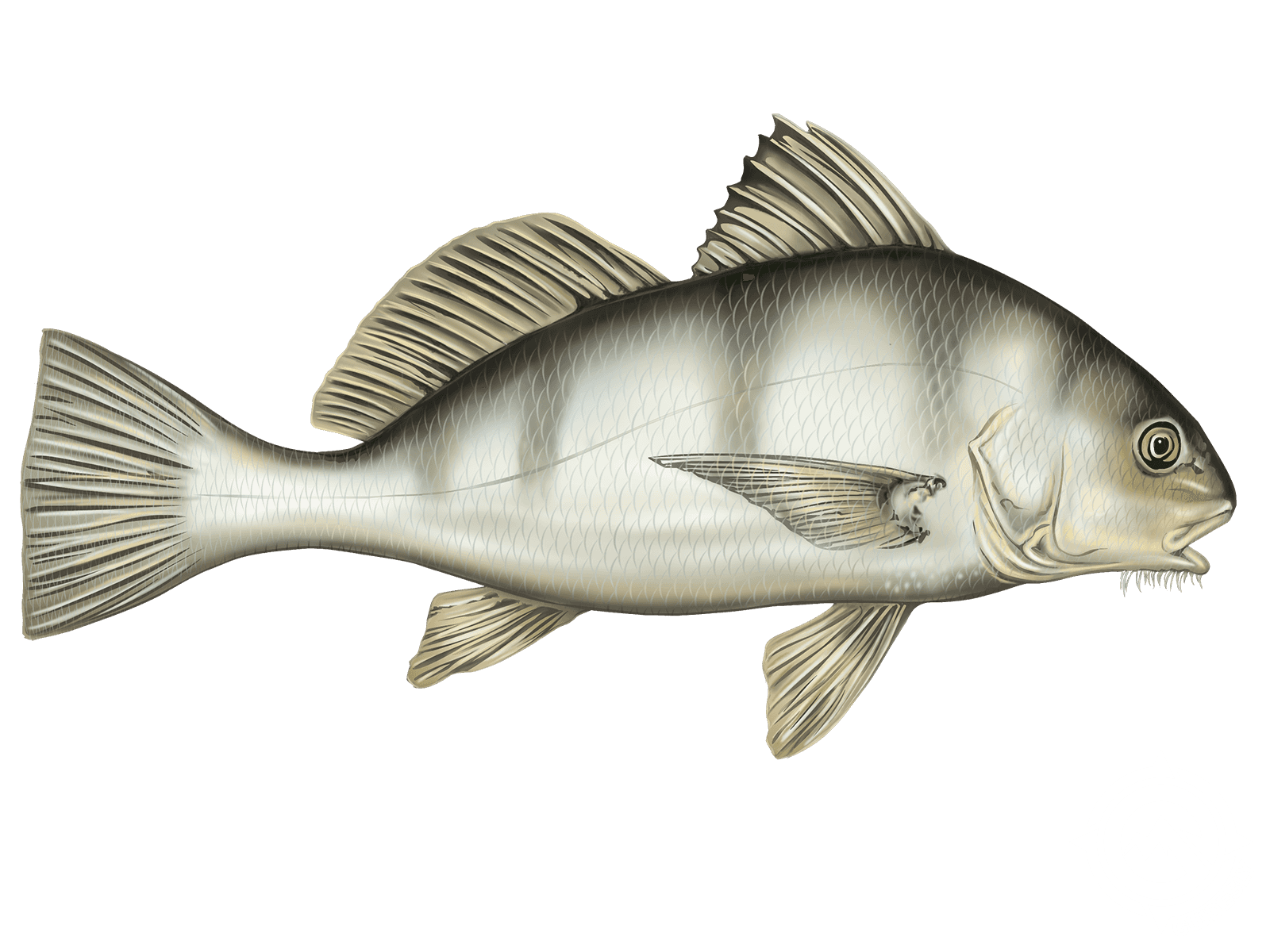
 Black Drum
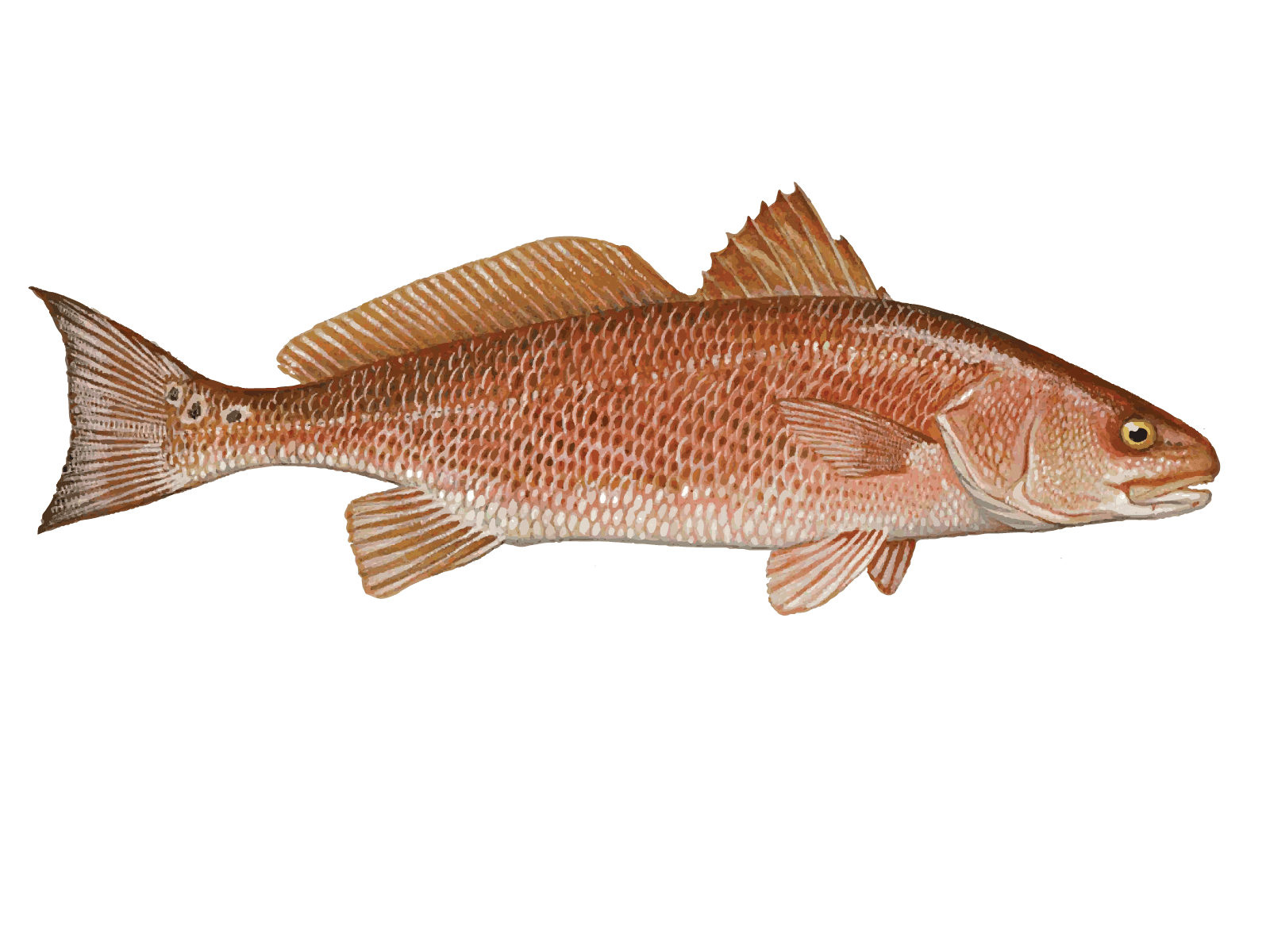
 Redfish
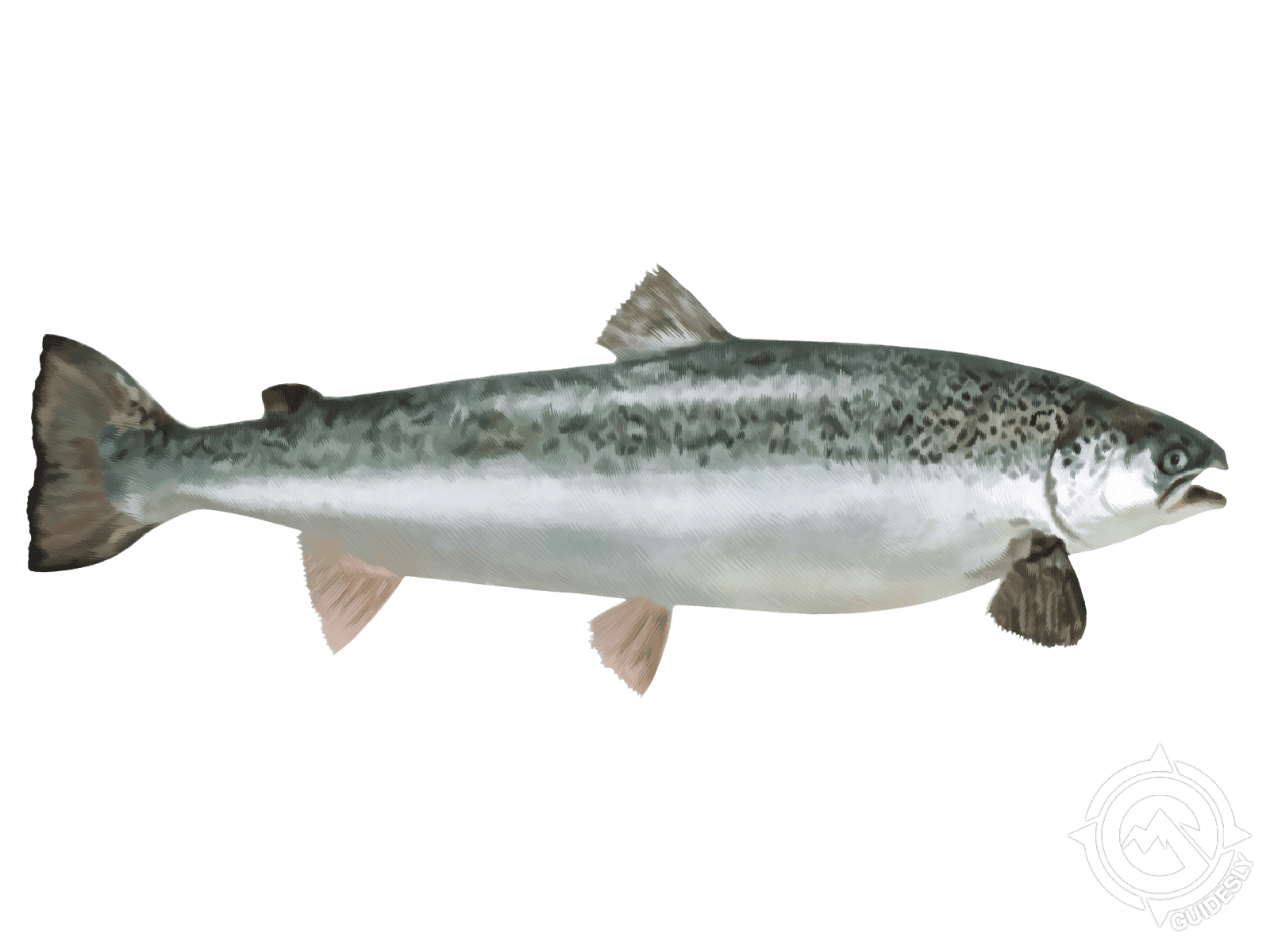
 Sea Trout
 Sheepshead
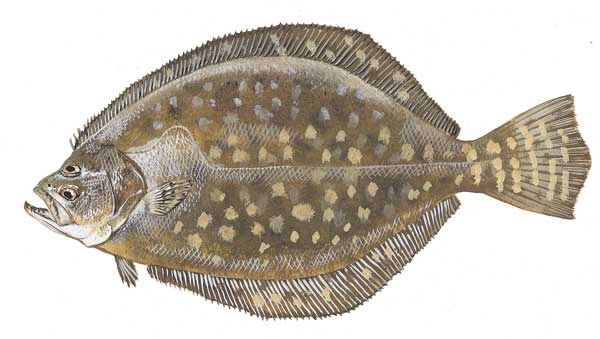 Southern Flounder
- 6-hour morning trip targeting redfish, trout, sheepshead, and black drum
- All fishing gear provided with personalized instruction for up to 3 guests
- Fish cleaning service included plus wildlife viewing opportunities
Trip Pricing and Availabilities:
Late Morning Marsh Magic: 3-Person Inshore Adventure
Ready for a laid-back Louisiana fishing trip that doesn't skimp on the action? Captain Brad D'Alfonso's got you covered with this 6-hour inshore charter in the heart of the marsh. Whether you're looking to sleep in a bit or wait for the winter chill to burn off, this late morning departure is perfect. You'll be chasing after redfish, speckled trout, and more, all while soaking up the unique beauty of the bayou. It's a private trip for up to three anglers, so grab your buddies and get ready for some serious rod-bending fun.
What's the Deal?
This ain't your average crack-of-dawn fishing trip. Capt. Brad knows sometimes you want to ease into your day, especially during those cooler months. You'll meet up mid-morning and head out into the maze-like marsh waterways. The boat's equipped with everything you need – rods, reels, bait, and tackle. All you gotta bring is your Louisiana fishing license, some grub, and whatever you want to drink. Capt. Brad's been fishing these waters for years, so he knows all the honey holes where the fish like to hang out. Whether you're a first-timer or a seasoned angler, he'll make sure you're in on the action.
Marsh Fishing 101
Fishing the Louisiana marsh is a whole different ballgame from deep sea or freshwater angling. We're talking shallow water, grass beds, and oyster reefs – prime real estate for inshore species. Capt. Brad might have you tossing soft plastics, working a popping cork, or even sight-casting to tailing reds in the skinny water. The beauty of marsh fishing is how quickly conditions can change. One minute you're drifting a deep channel, the next you're pitching to structure along the bank. It keeps things interesting and gives you a chance to try out different techniques. And don't worry if you're new to this – Capt. Brad's got the patience of a saint and will walk you through every cast if that's what you need.
Fish on the Menu
Let's talk targets. The Louisiana marsh is home to some of the most sought-after inshore species in the Gulf. Here's what you might find on the end of your line:
Redfish: These copper-colored bruisers are the pride of the marsh. They love to cruise the shallows, often with their tails sticking out of the water as they root for crabs. Redfish put up a hell of a fight and can range from rat reds under 16 inches to bull reds over 27 inches. Fall and winter are prime time for bigger reds in the marsh.
Speckled Trout: Also known as spotted seatrout, these guys are the bread and butter of inshore fishing. They've got a mouth full of teeth (hence the name) and love to ambush bait in deeper holes and along grass lines. Specks are most active in the cooler months and make for some fantastic eating.
Black Drum: Often overlooked, black drum can be a blast to catch. They hang out near structure and on hard bottom areas. While the smaller ones (under 15 pounds) are great eating, the big ones can top 30 pounds and will give you a workout on light tackle.
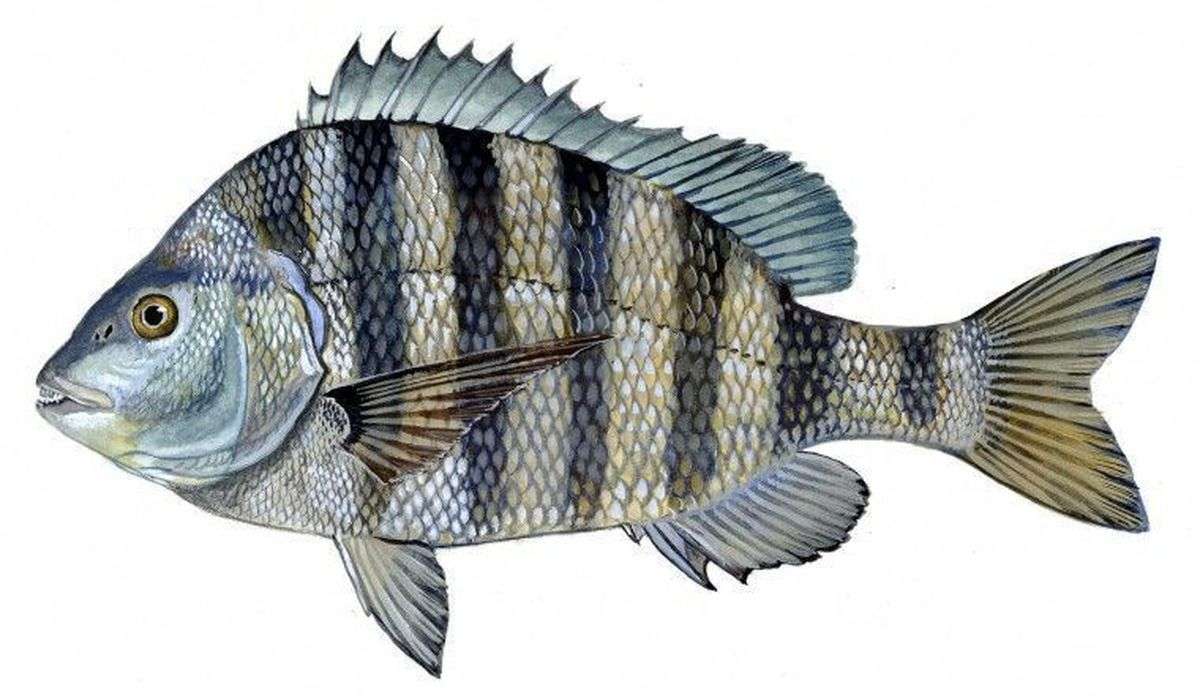
Sheepshead: These striped convicts are notorious bait stealers but boy are they fun to catch. They love structure like pilings and rocks, and they're at their peak in the cooler months. Sheepshead have human-like teeth they use to crush crabs and barnacles, so they're a unique catch.
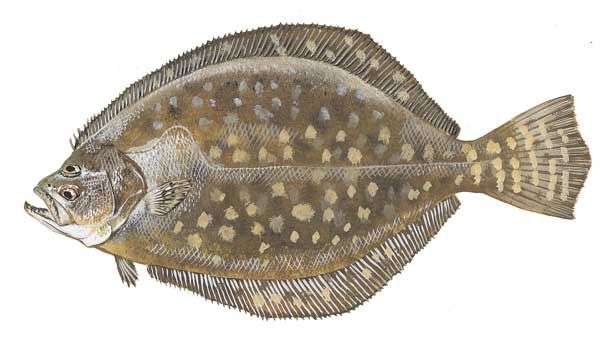
Southern Flounder: These flatfish are masters of camouflage, blending in perfectly with the bottom. They're ambush predators that lie in wait for bait to pass by. Fall is the best time to target flounder as they move to deeper water for the winter.
Why Folks Keep Coming Back
There's something special about fishing the Louisiana marsh that keeps anglers coming back year after year. Maybe it's the way the sun hits the water just right as you're pulling in your first speck of the day. Or how the adrenaline kicks in when a big red makes your drag sing. It could be the peace and quiet, broken only by the splash of mullet or the call of a nearby heron. Whatever it is, this trip with Capt. Brad gives you a taste of it all. And let's not forget – at the end of the day, he'll clean and bag your catch so you can enjoy the fruits of your labor at home.
Book Your Spot and Let's Go Fishing
Look, whether you're a local looking for a new fishing spot or a visitor wanting to experience the best of Louisiana inshore fishing, this trip's got you covered. Capt. Brad's late morning charter is the perfect mix of relaxed and action-packed. You get to sleep in a bit, enjoy some prime fishing time, and still be back in time for dinner (maybe even with your catch of the day). So why wait? Grab your buddies, pack some snacks, and let's hit the marsh. The fish are waiting, and trust me, you don't want to miss out on this Louisiana fishing adventure. Book now and get ready to make some memories on the water!
Learn more about the species
Black Drum
Black Drum are the heavyweights of the marsh, typically 5-30 pounds but can reach a whopping 90 pounds. Look for them in shallow, muddy flats and around oyster beds. They love brackish water and often hang out near creek mouths. Spring's the best time to target them, as they school up for spawning. Anglers enjoy the strong fight these fish put up, especially the bigger ones. They're not the prettiest fish, but smaller ones (under 15 pounds) make great table fare. Use fresh crab or shrimp as bait, and fish it right on the bottom. Here's a local trick: listen for their distinctive drumming sound – it can lead you right to a school. Just remember, the bigger ones can be tough and not as tasty, so consider releasing those giants.
Redfish
Redfish, or Red Drum, are the rockstars of the Louisiana marsh. They typically run 28-33 inches but can grow much larger. Look for them in shallow water, often as shallow as 1-4 feet. They love hanging around oyster reefs, grass flats, and marsh edges. Fall is prime time when they're feeding aggressively before winter. Anglers can't get enough of their powerful runs and hard-fighting spirit. Plus, they're excellent on the table. Use live bait like mullet or crabs, or try gold spoons and soft plastics. Here's a local secret: watch for their copper-colored backs and tails sticking out of the water as they feed in shallow flats. Sight-casting to these fish is an unforgettable experience. Just remember to approach quietly – they spook easily in skinny water.
Sea Trout
Sea Trout, also known as Speckled Trout, are a favorite in the Louisiana marsh. They typically run 14-24 inches and 1-5 pounds, though some monsters can hit 40 pounds. You'll find them in grass flats and shallow waters, especially at night. They love to hang around drop-offs and channels. Fall and spring are prime seasons when they're most active. Anglers prize Sea Trout for their aggressive strikes and tasty, flaky meat. They're great fighters on light tackle too. Use artificial lures like jerk baits or topwater plugs, or try live shrimp under a popping cork. Here's a local tip: on calm days, look for their distinctive V-shaped wakes in shallow water. Cast ahead of the wake, and you're in for some exciting topwater action.
Sheepshead
Sheepshead, or "convict fish" because of their black and white stripes, are a unique catch in the Louisiana marsh. They typically range from 1-8 pounds but can reach up to 20 pounds. You'll find them around structure – pilings, bridges, and reefs – where they feed on barnacles and crustaceans. Early spring is prime time as they gather to spawn. Anglers love targeting sheepshead for their tasty white meat and the challenge they present. They're notorious bait stealers with their human-like teeth. Use small hooks and natural baits like fiddler crabs or oysters. Here's a local tip: when you feel a nibble, wait a second before setting the hook. Sheepshead are masters at stealing bait, so timing is everything. It's a game of patience, but the reward is worth it.
Southern Flounder
Southern Flounder are masters of camouflage, blending perfectly with sandy or muddy bottoms. They're usually 15-18 inches long, but can reach up to 33 inches. You'll find them in shallow coastal waters, bays, and estuaries. Fall is prime time as they move offshore to spawn. Anglers love targeting these flatfish for their delicate, white meat and the challenge they present. They're ambush predators, so patience is key. Use live bait like mullet or shrimp, or try soft plastics. My local tip: when you feel a bite, wait a few seconds before setting the hook. Flounder often grab prey and reposition it before swallowing. This pause can mean the difference between landing a fish and coming up empty.
About the Blazer Bay
%2F%2Fusers%2F36b5e872-fd8b-477b-9990-521f757d4abc%2Fboat_picture%2F8365ef967aae979a271d82fa9b329f50.jpg&w=1920&q=75)
Vehicle Guest Capacity: 5
Manufacturer Name: Yamaha
Maximum Cruising Speed: 38
Number of Engines: 1
Horsepower per Engine: 300